

Could a single photo lead to years of online harm? This question matters now more than ever for people across the United States.
Deepfake and related technology create images, videos, or audio that can look real. These manipulated files began to appear around 2017 and have grown in reach as artificial intelligence tools became easier to use. A large share of this sexually explicit content is made without consent, and most victims are women.
This short guide will explain the basics, summarize recent headlines about nudify apps and major site shutdowns, and offer clear, victim-centered steps you can take right away. Learn how to document and report content, request takedowns, and avoid sharing images that could spread harm. We’ll also clarify the difference between legitimate synthetic media and nonconsensual pornography, so you can spot real risk and act safely.
Key Takeaways
- Understand what this issue is and why it affects everyday people, not just celebrities.
- Most sexually explicit deepfakes are nonconsensual and cause real harm to victims.
- Recent news highlights rapid changes: app bans and site shutdowns matter.
- Immediate steps: document, report, and request takedowns without resharing.
- This guide focuses on U.S. actions and practical safety steps for people harmed by this content.
What deepfakes are and why deepfake porn is spreading now
It only takes a few shared images for realistic, fabricated media to be created and spread.
Deepfake basics
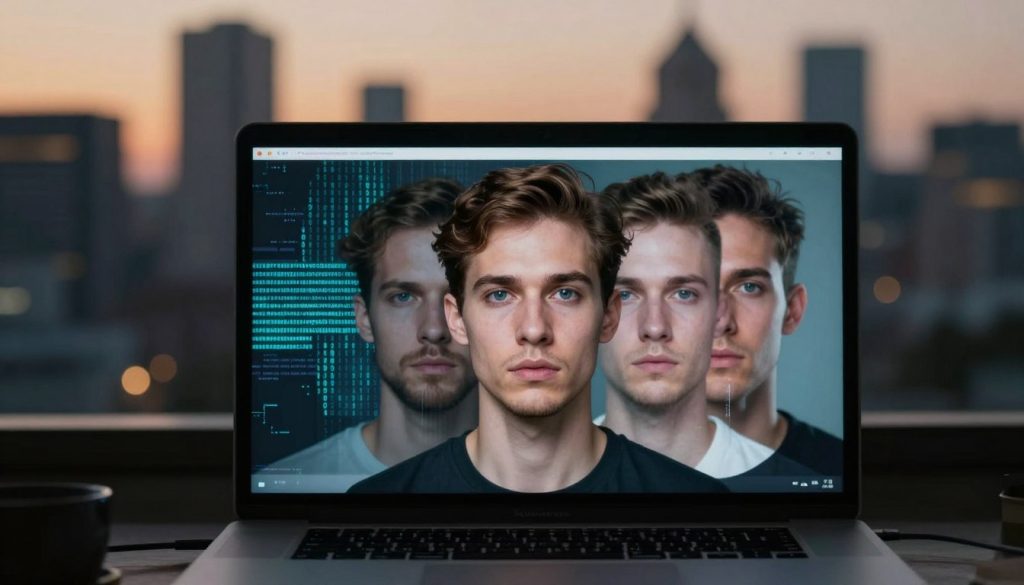
Deepfakes are media made by models that learn from examples and then generate new pictures, videos, or audio that look real.
These systems study many faces or voices and blend features to form convincing output. That process makes it easy to create new images or short clips that mimic a real person.
When harmless edits become harmful
Not every manipulated file causes harm. Some are jokes, art, or harmless memes.
The consent boundary is key: if a sexually explicit image or clip uses a real person’s likeness without permission, it becomes nonconsensual and can cause real damage.
Why women and teens are targeted
Research shows most explicit deepfakes depict women. Predators focus on people who are visible online.
Teens are at extra risk because their photos are often shared in groups and schools, making a single image enough to create harmful content.
How ordinary photos are repurposed — and quick prevention
A public profile image or a shared group photo can be reused to generate new media again and again.
- Limit public sharing and tighten privacy settings.
- Ask before posting images of others.
- Avoid resharing sexually explicit or private photos.
| Aspect | Harmless Use | Nonconsensual Risk | Quick Action |
|---|---|---|---|
| Source | Stock photos, art | Personal profiles, tagged pics | Use privacy controls |
| Content | Memes, parody | Sexually explicit deepfakes | Don’t repost |
| Impact | Entertainment | Reputation, harassment | Document and report |
Deepfake AI porn in the headlines: app stores, websites, and the real-world impact on people
The story of “nudify” apps and a major marketplace shows how common tools can fuel serious harm.
“Nudify” apps on Apple and Google: what the Tech Transparency Project found
The Tech Transparency Project identified 55 nudify apps on Google Play and 47 on the Apple App Store that create nude or partially nude images from photos.
These tools matter beyond celebrity gossip because they let ordinary photos be turned into sexual videos and images without consent.
Scale and incentives: hundreds of millions of downloads and significant revenue
Combined, the apps logged about 705 million downloads and generated roughly $117 million in revenue.
That scale creates a strong incentive to keep offering services even when rules ban sexual material.
Policy gaps and enforcement: why prohibited content still reaches users
Both Apple and Google forbid overt sexual nudity and pornographic material, but enforcement lags.
Review delays, re-uploads, and minor app tweaks let prohibited content slip through or return after changes.
Apple reported removing dozens; Google said it suspended some flagged apps. Still, numbers reported by researchers and companies do not fully match—showing a cat-and-mouse dynamic.
The shutdown of Mr. Deepfakes and where content may go next
Mr. Deepfakes, founded in 2018, was a prominent marketplace that hosted manipulated videos and forums for buying custom nonconsensual content.
Site operators posted a shutdown notice after a key service provider withdrew support; researchers said it would not relaunch.
Experts warn users will migrate to smaller platforms and private channels, like messaging apps, making detection harder.
Victims and fallout: emotional distress and lasting harm
People targeted—often women—face real consequences: emotional distress, reputational damage, and persistent harassment.
Even after takedowns, copies spread across websites and platforms, so harm can continue long after the original is gone.
| Headline | Key Data | Implication |
|---|---|---|
| Nudify apps on stores | 55 on Google Play; 47 on Apple | Ordinary photos can become sexual images quickly |
| Scale | 705M downloads; ~$117M revenue | High demand makes enforcement difficult |
| Platform response | Removals, suspensions, some restorations | Policy gaps create a persistent cycle |
| Major site shutdown | Mr. Deepfakes offline after 2018 hub closed | Content likely to disperse to smaller channels |
What to do if you see deepfake porn or become a victim in the United States
If you find sexually explicit manipulated media of a person online, act quickly but safely. Documenting evidence without spreading the file is the priority.
Act fast and document:
- Save the URL, timestamp, username, and page context. Do not repost the image or videos to prove anything.
- Take screenshots if the page may be removed, and store files in a secure folder or cloud account you control.
- Record where copies appear and avoid sharing links with others except trusted helpers or counsel.

Reporting and takedowns
Use in-app report tools on social media and platform abuse forms. Ask posters directly to remove content if safe to do so.
Submit formal takedown requests to hosts and use search engine de-indexing forms to limit discovery even if originals remain online.
Law and legal tools in the U.S.
File a DMCA takedown when copyrighted photos are misused. Some state rules, like California’s CPPA, may offer additional routes.
The Take It Down Act now treats posting nonconsensual sexual imagery, including explicit deepfakes, as a federal crime and requires covered platforms to remove material within 48 hours of a victim request.
Escalation and support
- Contact school officials for teens, employers if workplace harm occurs, or law enforcement when extortion or stalking appears.
- Consult an attorney for persistent harassment or complex removals.
- Support victims by preserving evidence, checking privacy settings, offering emotional support, and helping submit reports and takedown templates.
Conclusion
, take action now Protecting a person from manipulated sexual images needs many tools at once. Use takedown requests, document evidence, and avoid resharing any image you find.
Practical steps matter: report quickly, tighten privacy settings, and ask before posting someone else’s photo. Technical defenses such as Glaze/PhotoGuard or Nightshade/Fawkes can make misuse harder.
News shows platform enforcement and site shutdowns help, but legal change and steady vigilance in U.S. law are also essential. If a person you know is targeted, prioritize their safety and privacy and help them file reports rather than amplify the content.
Hopeful but realistic: better rules, smarter technology, and public education will reduce harm — but people must keep acting to protect one another.
